Tell Your Doctor About Medications and Medical Conditions
Tell your doctor about all medications you use, especially blood thinners, and any chronic conditions such as diabetes, high blood pressure, heart disease, or medication allergies.

Choose the section you need and go directly to the appropriate instructions before surgery, on the day of surgery, or after surgery.
These instructions help you prepare for surgery safely and clearly.
Tell your doctor about all medications you use, especially blood thinners, and any chronic conditions such as diabetes, high blood pressure, heart disease, or medication allergies.
It is preferable to bring a companion to the preoperative examination because vision may be blurred after dilating drops are used for a complete eye examination to confirm suitability for surgery.
Review these questions before surgery and tell your doctor about any Yes answer because it may affect preparation, lens selection, or the treatment plan.
| Question | Yes | No |
|---|---|---|
| Do you use blood thinners such as aspirin, warfarin, or similar medications? | ||
| Do you have diabetes, high blood pressure, or heart disease? | ||
| Do you have a known allergy to medications or eye drops? | ||
| Have you previously had vision correction surgery? | ||
| Do you have glaucoma or retinal or corneal disease? | ||
| Do you use eye drops regularly? | ||
| Do you have difficulty lying on your back, shortness of breath, or a cough? | ||
| Have you previously had a problem with anesthesia or surgery? | ||
| Do you currently have eye inflammation, discharge, or severe redness? | ||
| Can you attend the required postoperative follow-up appointments? |
Review the key preparations before admission and a simple overview of what happens during surgery.
The procedure is usually performed under local anesthesia using eye drops or an injection. The patient remains awake and able to communicate with the doctor during the procedure.
Leave a 10-minute interval between different eye drops and follow the prescribed doses.
Use these eye drops after surgery according to the following schedule.
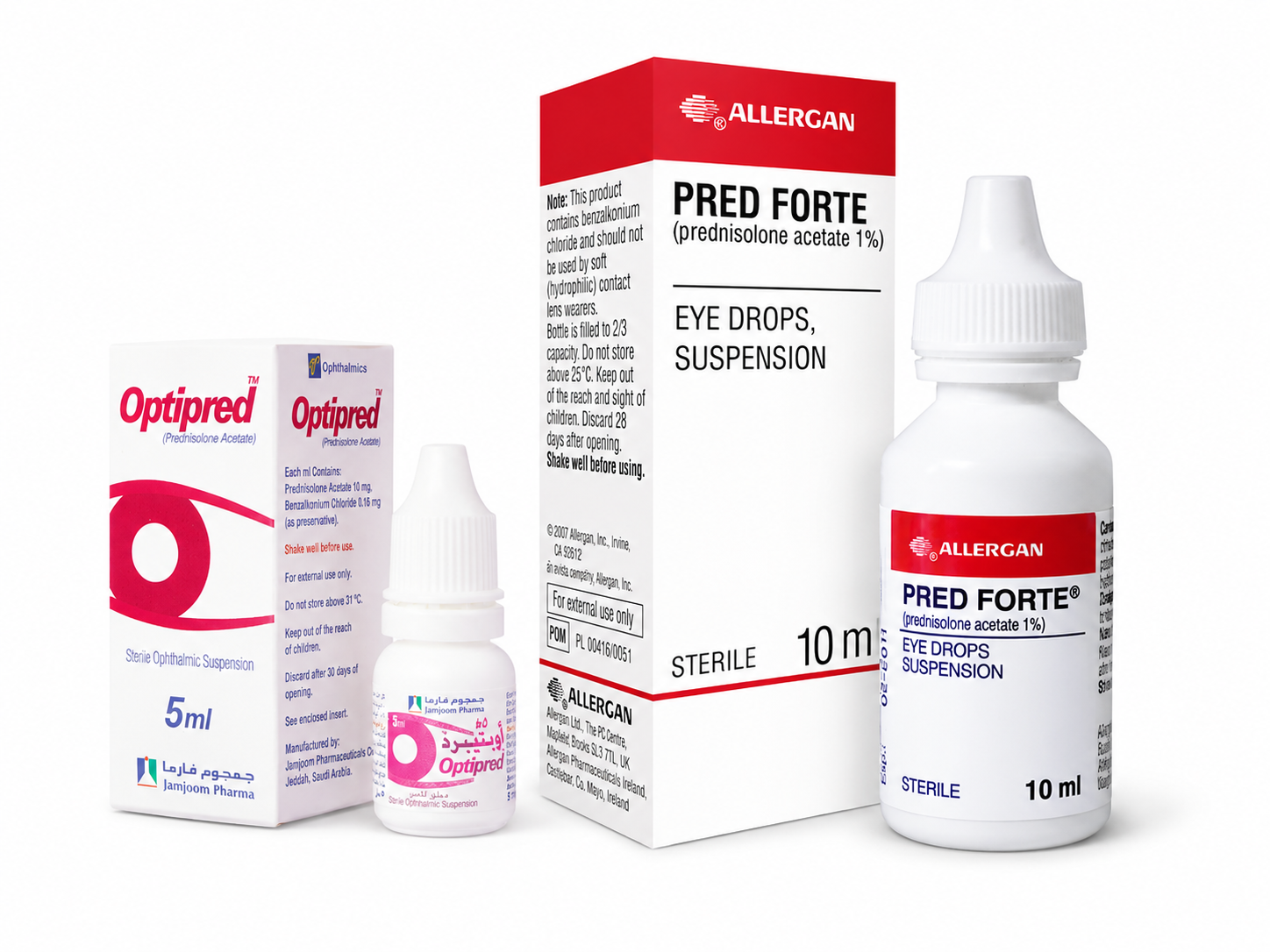
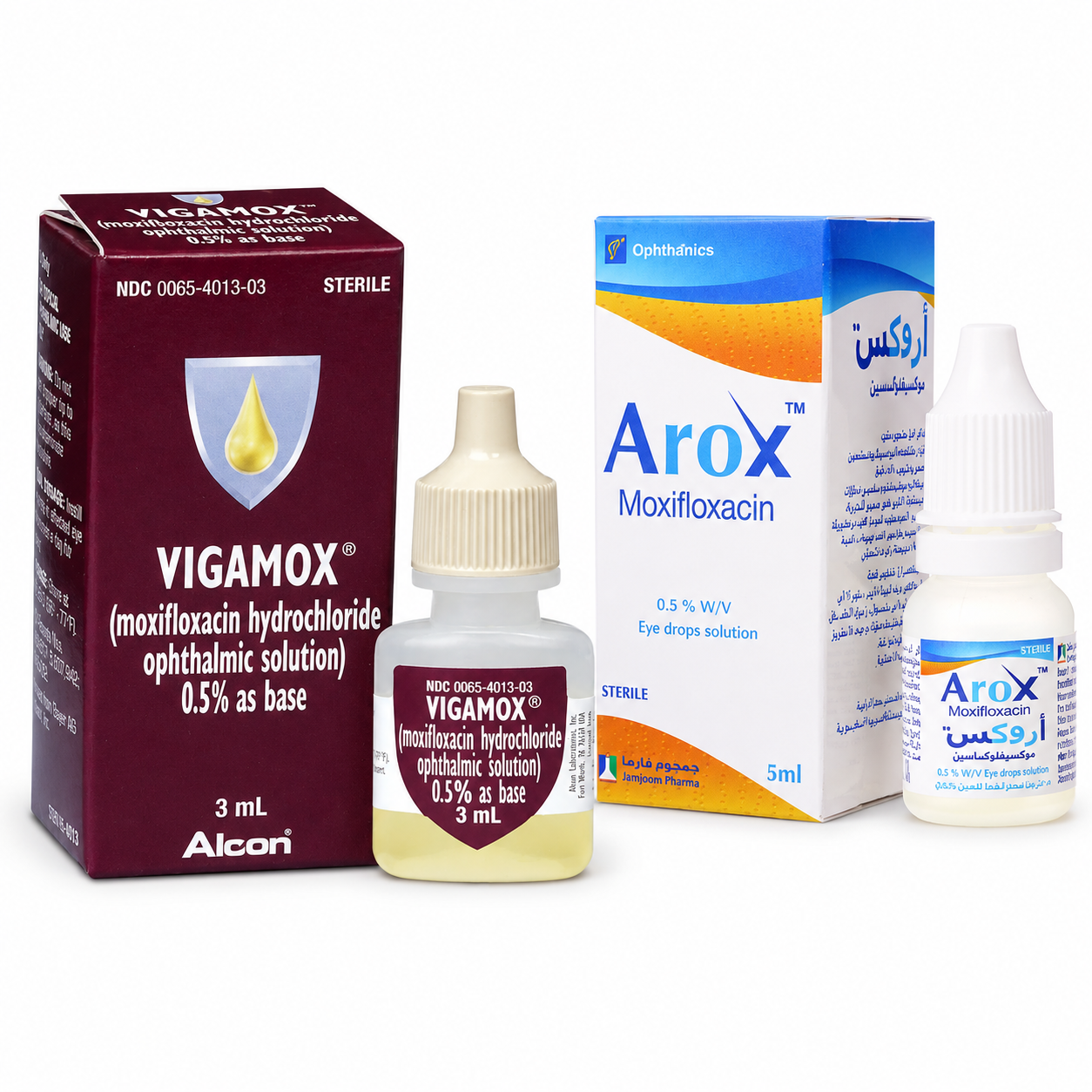
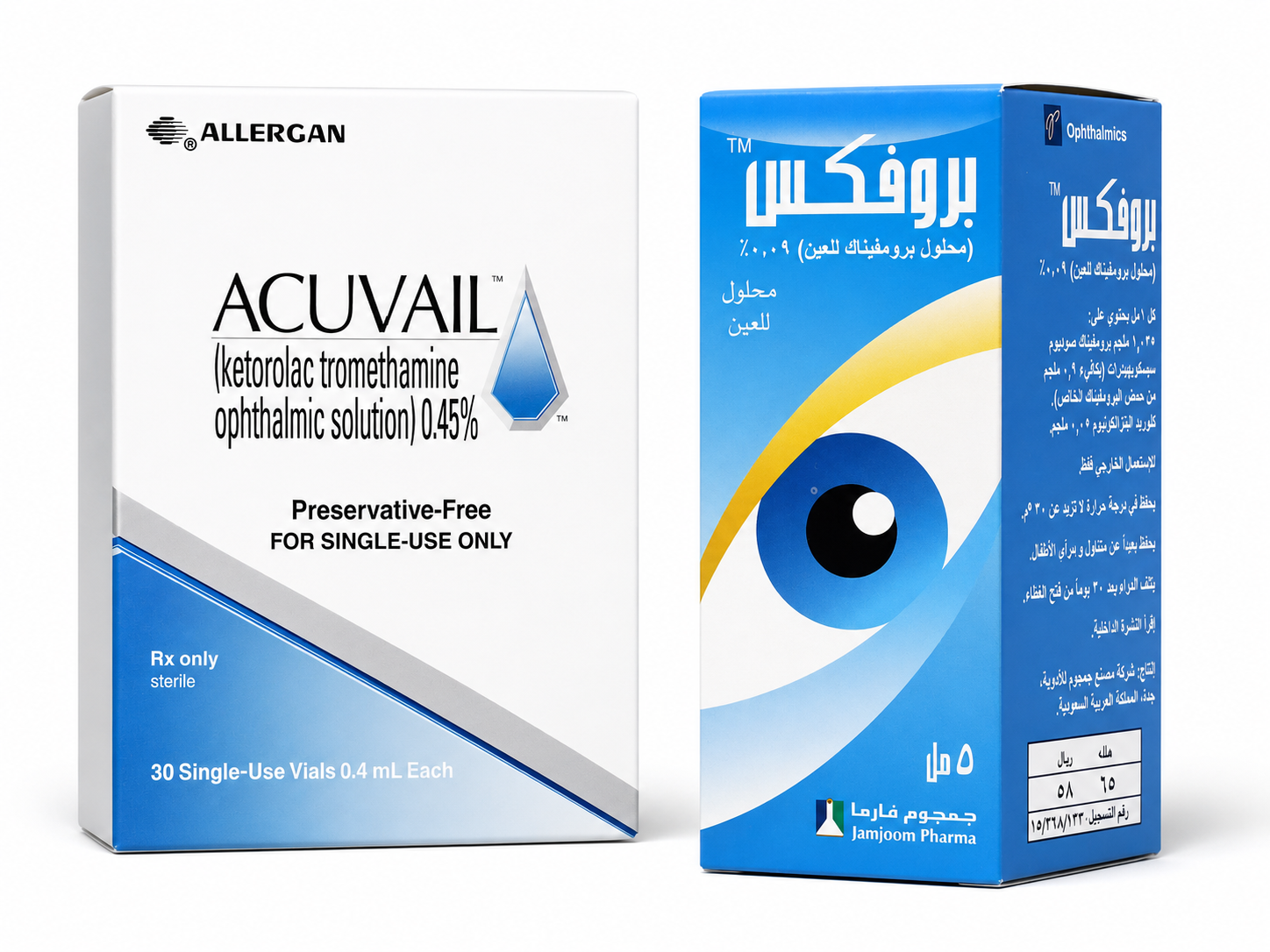
Some symptoms may occur during the first few days and gradually improve.
Vision may initially be unclear and then gradually improve.
Tearing, mild burning, or a foreign-body sensation may occur.
Mild redness on the eye surface may appear during the first few days.
You may notice glare or halos around lights, especially at night, and these usually improve with time.
Clear instructions to help recovery and protect the eye after surgery.
Do not rub the eye, use the prescribed drops, avoid getting water into the eye, and attend follow-up appointments.
Choose the type of help you need and open your phone camera to access the appropriate link.