Evaporative Dry Eye
Often caused by dysfunction or blockage of the eyelid oil glands, allowing tears to evaporate too quickly.
A comprehensive clinic for identifying the causes of dry eye and building an individualized treatment plan, with multiple treatment technologies available according to dry-eye type, meibomian gland status, and ocular-surface condition.
Often caused by dysfunction or blockage of the eyelid oil glands, allowing tears to evaporate too quickly.
Tear production is lower than the eye requires and may occur in moderate or severe disease.
Combines tear evaporation with reduced tear production and often requires treatment of more than one cause.
Symptoms may look similar, but the underlying cause differs from one person to another. Successful treatment therefore begins by identifying the type of problem.
Blocked or poorly functioning eyelid glands can cause rapid tear evaporation and fluctuating vision.
Tear volume may be insufficient, causing burning, foreign-body sensation, and discomfort.
Inflammation or allergy can worsen symptoms and may require treatment beyond lubricating drops.
Screen use, environment, certain medications, and eyelid-closure problems can affect tear-film stability.
The assessment includes the ocular surface, eyelids, meibomian glands, and tear film, then correlates the findings with symptoms and lifestyle to determine the most suitable plan.
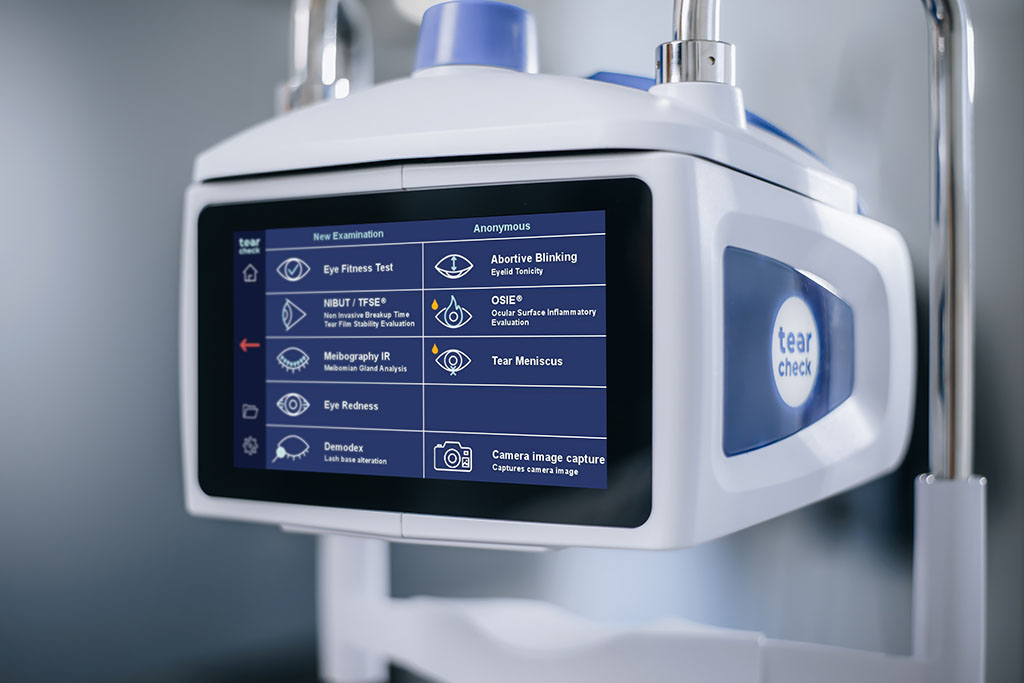
Helps assess tear-film parameters and meibomian gland status in a structured way.
Assessment of gland openings, secretion quality, blockage, and eyelid-margin inflammation.
Examination of the cornea and conjunctiva and the degree of dry-eye involvement, together with symptom severity.
Having several treatment options in the clinic gives us greater flexibility to build an appropriate plan, instead of relying on one treatment for every case.
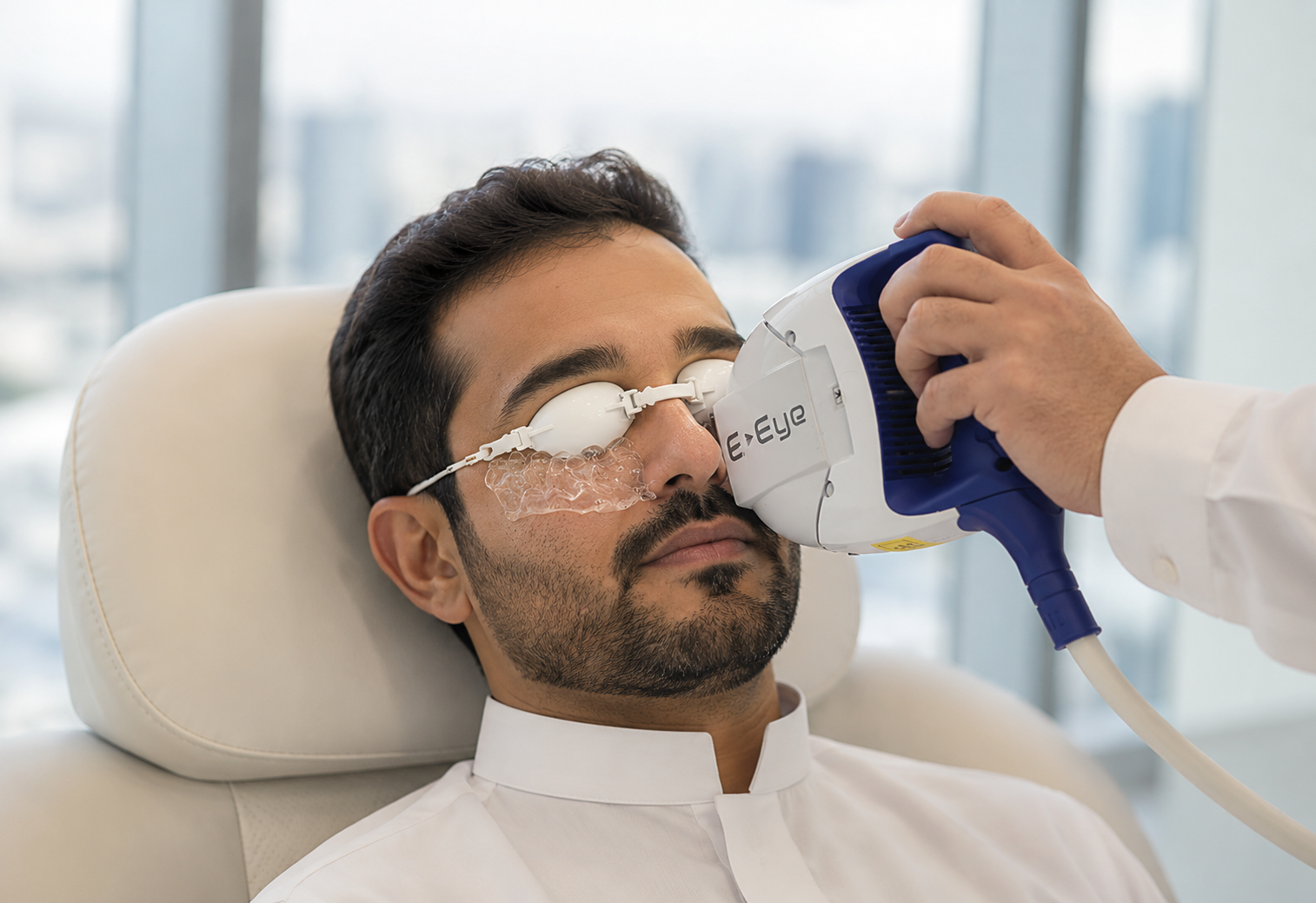
Intense pulsed light technology used for dry eye associated with meibomian gland dysfunction and inflammation.
Thermal pulsation treatment targeting the meibomian glands when blockage or reduced secretion is present.
Supports evaluation of the tear film and meibomian glands before treatment and monitoring after therapy.
We provide absorbable punctal plugs for medium-term use. They are placed inside the tear drainage channel to help retain natural tears and treatment drops on the ocular surface for longer.
They work within the tear drainage channel to help retain tears during the treatment period.
Dry eye may temporarily increase after vision correction. Absorbable plugs can help retain tears during the first months of recovery and are used within a plan that may include eye drops and treatment of inflammation and meibomian glands according to patient needs.
We select the type according to the required duration, the cause of dry eye, and examination of the ocular surface and tear drainage system.
| Comparison | Absorbable | Non-Absorbable |
|---|---|---|
| Duration of Use | Usually absorbed over approximately six months. | Designed to remain longer and can be removed or replaced if needed. |
| After Vision Correction | A suitable option for selected patients during recovery after vision correction and for some other forms of dry eye without committing to a long-term plug. | May be used when a longer duration is needed after medical assessment. |
| Can the Patient Feel It? | Because it sits inside the channel without protruding from the eyelid, the patient usually does not feel it after placement. | Some types are visible at the punctal opening and may cause temporary awareness or irritation in some patients. |
| Does It Need Removal? | Usually not; it gradually dissolves and is absorbed. | It can be removed or replaced if it is no longer needed or causes symptoms. |
| Main Advantage | Provides a defined treatment duration with good comfort and no protruding component. | Provides longer closure when extended treatment is required. |
| Is It Suitable for Everyone? | No. Dry-eye type, inflammation, tear quantity, and the tear drainage system should be assessed before placement. | |
PRP involves preparing platelet-rich plasma from the patient’s own blood, then injecting it in the lacrimal-gland region with the aim of supporting tear production and improving selected indicators of severe dry eye.
The plan may include treatment of inflammation, improving meibomian gland function, and eyelid care, in-clinic technologies, appropriate eye drops, or additional options depending on the cause and severity.
Understand burning, blur, excessive tearing, and factors that worsen symptoms.
Examine the tear film, meibomian glands, eyelids, and ocular surface.
Select the appropriate drops, treatments, and technologies for the condition.
Review improvement and update the plan according to the eye’s response.
Book a comprehensive assessment to identify the cause of dry eye and select the most appropriate treatment for your eyes.