Avoid Contact Lenses Before the Examination or Surgery
Stop wearing contact lenses for the period specified by the doctor because they can affect corneal measurements.

Choose the section you need and go directly to the appropriate instructions before surgery, on the day of surgery, or after surgery.
These points and questions help the doctor assess your condition more accurately before surgery.
Stop wearing contact lenses for the period specified by the doctor because they can affect corneal measurements.
It is preferable to have a companion after surgery, and driving immediately after the procedure is not recommended.
Please review these questions before your surgery appointment. They help assess dry eye, refractive stability, family history, and factors that may affect the vision-correction decision or plan.
| Question | Yes | No |
|---|---|---|
| Do you use lubricating eye drops? | ||
| Do you have dry eye? | ||
| Do you experience eye burning? | ||
| Do you have relatives with keratoconus? | ||
| Do you have relatives who use rigid contact lenses? | ||
| Do you have relatives who have had intracorneal ring implantation? | ||
| Do you have relatives who have had a corneal transplant? | ||
| Do you have autoimmune diseases such as rheumatoid disease or lupus? | ||
| Do you have any chronic diseases such as diabetes? | ||
| Do you use systemic medications such as isotretinoin (Roaccutane)? | ||
| Has your glasses prescription changed during the past year? | ||
| Have you worn contact lenses during the past two weeks? | ||
| Do you have relatives who have undergone vision correction surgery? | ||
| Do you currently have strabismus, or have you previously been treated or operated on for strabismus? | ||
| Do you experience visual problems, discomfort, or difficulty focusing while wearing contact lenses? | ||
| Have you had any previous eye surgery? | ||
| Do you experience problems with lights at night while wearing glasses? | ||
| For women: Are you pregnant or breastfeeding? | ||
| For women: Have you been pregnant or breastfeeding during the past three months? |
The surgery-day instructions are divided into preparation before entering and a clear overview of what happens during the procedure.
The aim of these instructions is to help you enter surgery feeling prepared and knowing what to do beforehand and what will happen step by step during the procedure.
Use these treatments immediately after surgery according to the schedule, leaving a 10-minute interval between different eye drops.
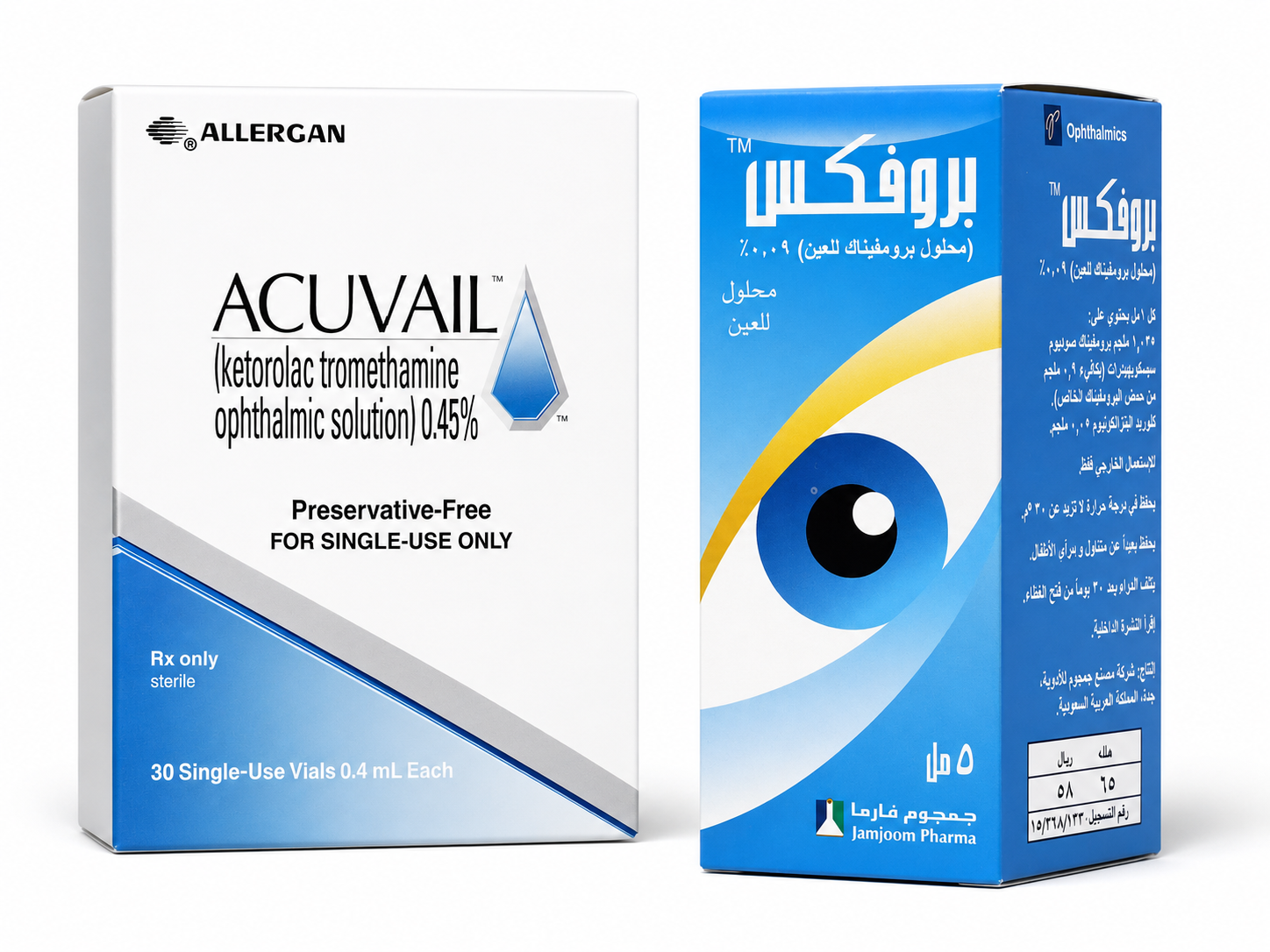


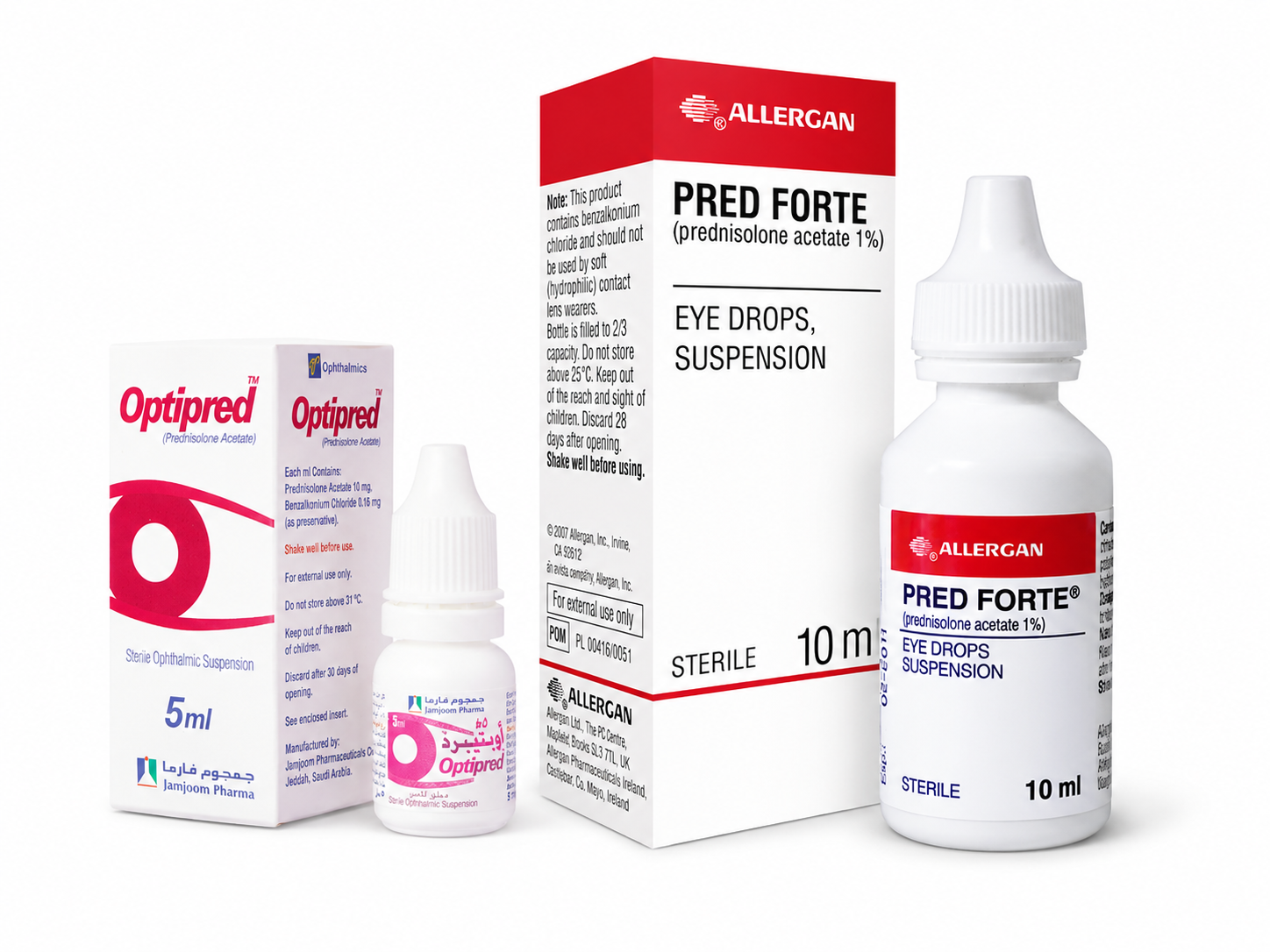
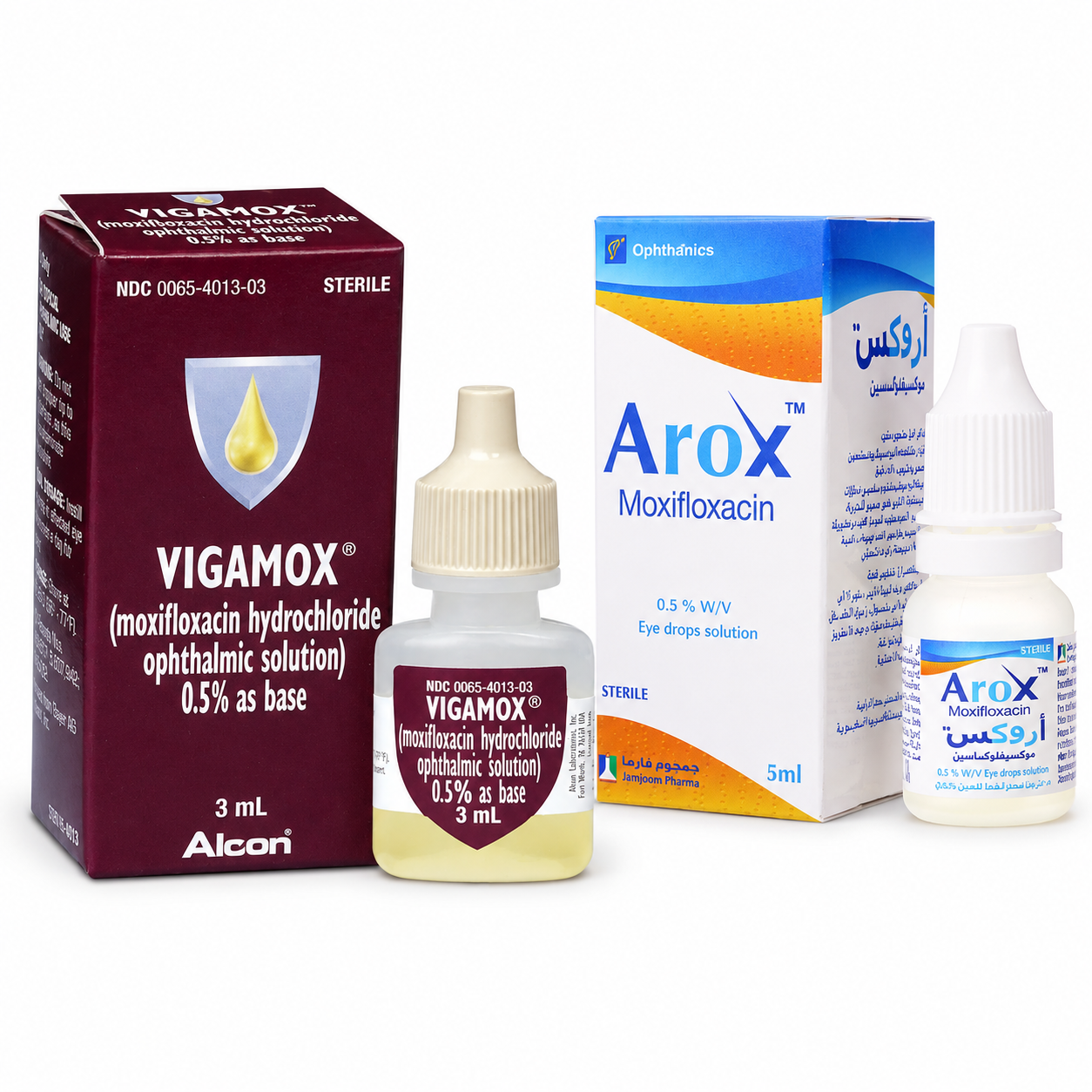
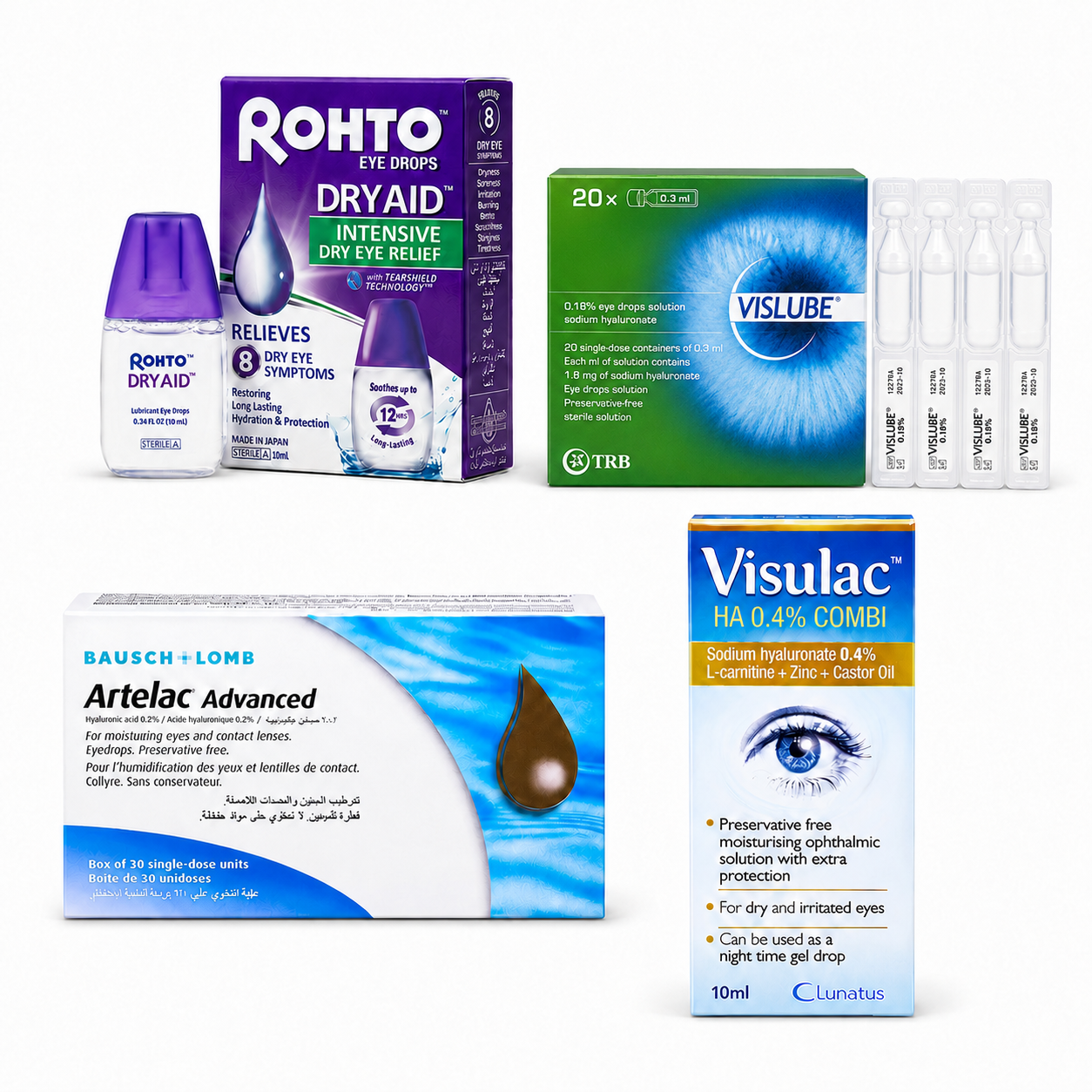
This treatment does not start on the first day. It begins after removal of the bandage contact lens if one was used.

After the first 2 weeks, stop the red steroid eye drop and replace it with the pink steroid eye drop according to the following tapering schedule.
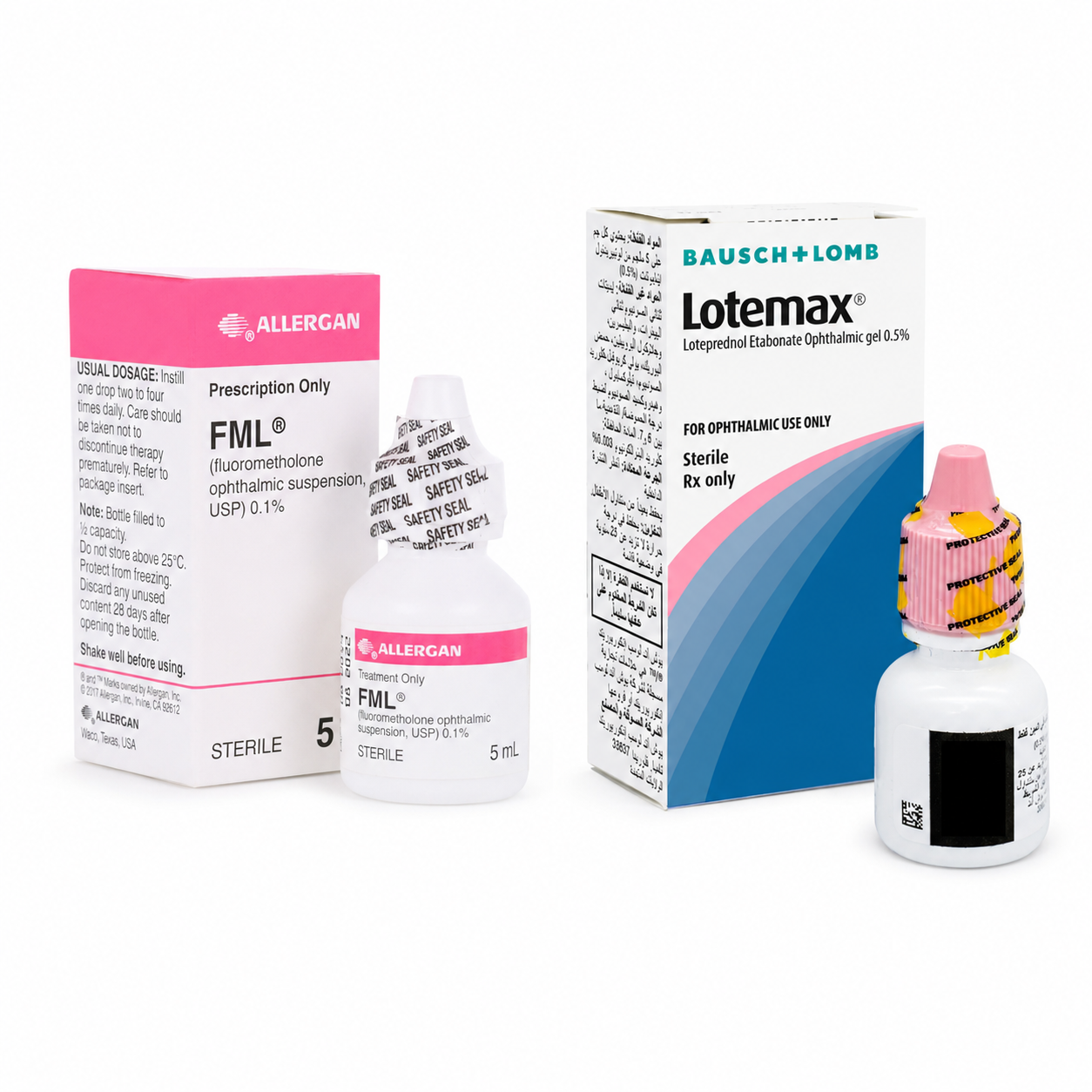
Some symptoms are common during the first hours or days and usually improve gradually.
Increased tearing may occur, especially during the first few hours.
This may be accompanied by eye redness.
It may be difficult to open the eye during the first day after surgery.
Blurred vision initially is expected and should improve gradually.
Clear, organized instructions to make postoperative care easier during recovery.
Do not rub the eye, use the prescribed drops, and lubricate frequently. Symptoms such as burning, tearing, and blur are commonly expected and generally improve gradually.
Reduce or avoid phone and device use during the first 3 days to support early healing and visual recovery. If phone use is necessary, use lubricating drops frequently, approximately every 30 minutes, and blink often to improve ocular surface lubrication.
Choose the type of help you need, open your phone camera, and scan the appropriate link.